
OCD Treatment, ERP Therapy, Starting Therapy
What Happens During a Free OCD Therapy Consultation?
Learn what happens during a free OCD therapy consultation, what questions to ask, and how to discuss ERP, costs, therapist fit, and next steps.

You may know that you want help with OCD. You may still feel unsure about making the first call.
What will the therapist ask? Do you need an OCD diagnosis? Will you have to share every intrusive thought? How much will therapy cost? What if the therapist is not a good fit?
If you are looking for OCD treatment in California, a consultation can help you learn whether a provider's approach and services match what you need.
A free OCD therapy consultation gives you a chance to get answers before you book a full session. You can meet the provider, ask questions, and learn how treatment works. You can also discuss fees, insurance, scheduling, and current openings.
The consultation is not a full assessment or a therapy session. You do not need to tell your whole story. You also do not have to decide whether to start therapy during the call.
What is a free OCD therapy consultation?
A free therapy consultation is a short call with a therapist or someone from the practice. It often lasts about 15 minutes. The goal is to help you learn more before you commit to treatment.
A free OCD consultation may give you time to:
- Meet the therapist who may provide your care
- Share a brief reason for seeking help
- Ask about the therapist's OCD experience
- Learn how Exposure and Response Prevention works
- Discuss online therapy and appointment times
- Review fees and insurance
- Ask about current openings
- Decide if the therapist feels like a good fit
- Learn what happens next
Some large therapy companies use an intake team. The person on the first call may not be the therapist you see. In a small private practice, you may speak with the therapist who would treat you. Ask who will join the consultation and whether that person will also provide your care.
What happens during a 15-minute therapy consultation?
The call often starts with a simple question: “What brings you to therapy?”
You can give a short answer. You do not need to explain every symptom or event. You might say:
- “I have thoughts that scare me, and I cannot stop checking what they mean.”
- “I ask my partner for reassurance many times each day.”
- “I spend hours washing, checking, or reviewing things.”
- “I think I may have OCD, but I am not sure.”
- “My child has rituals that are affecting school and home.”
- “I tried talk therapy, but my OCD did not improve.”
The therapist may ask a few follow-up questions. These help the provider understand what kind of care you may need. The therapist may also explain their services, treatment methods, fees, and schedule. You should have time to ask your own questions.
What questions will the OCD therapist ask?
Each provider has a different process. Common questions include:
- What symptoms are causing the most trouble?
- When did the problem begin?
- How does it affect work, school, sleep, or relationships?
- Have you been diagnosed with OCD?
- Have you tried therapy or ERP before?
- What would you like to change?
- Are you seeking care for yourself or your child?
- Where are you located?
- What appointment times work for you?
- Are there any urgent safety concerns?
Your location matters for online OCD therapy. Therapists may only provide care in states where they are allowed to practice.
The therapist may also ask if you need a different level of care. Some people need medical care, medication support, testing, or a more intensive program. A short call cannot answer every clinical question, but it can help identify the next step.
Do I need an OCD diagnosis before the consultation?
No. You can contact an OCD therapist even if you do not have a formal diagnosis.
You may know that something feels wrong but not know what to call it. You may wonder if your symptoms are OCD, anxiety, trauma, or something else.
A brief consultation cannot confirm a diagnosis. A full assessment takes more time. Still, the call can help you learn whether the therapist works with concerns like yours.
You can ask whether the therapist assesses for OCD, what happens during the first full session, and whether you may need testing or another type of care. Whatif Therapy's OCD self-screening tools may also help you organize your concerns before the call. A screening result cannot diagnose OCD.
Do I have to share my intrusive thoughts?
You do not have to share every detail during the consultation.
Many people with OCD fear that a therapist will judge or misunderstand their thoughts. This is common when intrusive thoughts involve harm, sex, religion, relationships, identity, or other taboo topics.
You can begin with a broad statement, such as, “I have unwanted thoughts that cause a lot of fear and shame.” You can then ask if the therapist has worked with this type of concern.
An OCD therapist should know that an unwanted thought is not the same as a wish, plan, or action. A full assessment may include more detail. The short consultation only needs to give the provider a basic view of what is happening.
What should I ask about ERP therapy?
If you are seeking OCD treatment, ask how the therapist uses Exposure and Response Prevention, or ERP.
ERP is a form of behavioral therapy for OCD. It helps you face feared thoughts, feelings, or situations while reducing the rituals that keep the fear going. The International OCD Foundation describes ERP as a first-line psychological treatment for OCD.
You may want to ask:
- What is ERP therapy?
- How does ERP help OCD?
- Do you practice exposures during sessions?
- How do you choose an exposure?
- How do you treat mental rituals and rumination?
- Do you address checking, avoidance, and reassurance seeking?
- Will I practice skills between sessions?
- How will we track progress?
- What happens if ERP is not right for me?
The therapist should explain ERP in plain language. ERP should be planned with you. A therapist should not trick, shame, or force you into an exposure. You and the therapist should discuss your goals and agree on a useful pace.
How can I tell if an OCD therapist is qualified?
A therapist may list OCD as one of many conditions they treat. That does not always show how much OCD work they do.
Ask what ERP training the therapist has completed, how often they treat OCD, and whether they work with both visible and mental compulsions. You can also ask how they build a treatment plan and measure progress.
The International OCD Foundation also offers a guide to finding the right OCD therapist, including questions you can ask about ERP experience and fit.
You do not need to quiz the therapist. Choose the questions that matter most to you. Clear answers can help you decide whether to schedule a full assessment.
Can I ask about therapy costs and insurance?
Yes. A free consultation is a good time to discuss cost. Ask about fees before you agree to treatment.
You may want to ask:
You may want to ask:
- How much does each session cost?
- How long is a session?
- Do you accept my insurance?
- What may I owe after insurance?
- Do you offer private-pay therapy?
- Can you provide a superbill?
- How often will we meet?
- What is the cancellation policy?
- When is payment due?
A superbill may help you seek out-of-network payment from your insurance plan. It does not promise that your plan will pay. Contact your insurer to check your benefits. You can also review Whatif Therapy's fees and insurance information.
How do I know if the therapist is a good fit?
“Good fit” does not mean that you must feel calm or fully sure after one call. Starting OCD therapy can feel hard even when the therapist is right for you.
Consider these questions:
- Did the therapist listen to me?
- Did I feel respected?
- Could the therapist explain ERP clearly?
- Does the provider have OCD experience?
- Are the services right for my main concern?
- Can the therapist work with someone in my location?
- Do the fees and appointment times work for me?
- Do I know who will provide my treatment?
- Do I feel able to ask more questions?
The therapist will also think about fit. They may decide that you need a service they do not offer. This does not mean you cannot be helped. You may need another specialist, a doctor, a psychiatrist, in-person support, testing, or a higher level of care.
What should I prepare before the consultation?
You do not need to write a full history. A short list can help if you feel nervous.
You might note the main problem, how it affects daily life, any past treatment, your general schedule, and questions about ERP, cost, or insurance.
You can review the practice's OCD and ERP therapy FAQ before the call if you want more information about treatment, telehealth, or getting started.
Try not to turn preparation into a search for the perfect answer. OCD can create a strong need to say everything in the right way. The consultation is not meant to give you total certainty. It is meant to give you useful facts.
Is a therapy consultation the same as an assessment?
No. A consultation is a short first conversation. An assessment is longer and more detailed.
During an assessment, the therapist may ask about your symptoms, health and treatment history, obsessions, compulsions, avoidance, family effects, safety needs, and treatment goals. The therapist may also use screening tools.
After the assessment, the provider can discuss a treatment plan and whether ERP appears to fit your needs.
What happens after the free consultation?
There are several possible next steps:
- You schedule an OCD assessment. The therapist learns more about your symptoms and goals.
- You take time to decide. You do not have to book during the call.
- You contact another therapist. The provider's style, cost, schedule, or services may not fit.
- The therapist suggests another service. You may need a doctor, psychiatrist, testing service, family therapist, intensive program, or another specialist.
- You decide not to start therapy. A free consultation does not require you to become a client.
Before the call ends, ask what the therapist thinks the next step may be.
How does the free consultation work at Whatif Therapy?
At Whatif Therapy, the free 15-minute consultation lets you speak with Matthew Baker, LCSW. Matthew owns the practice and provides the therapy. There is no separate therapist-matching team.
During the consultation, you can meet the therapist who would provide your care, share a brief concern, ask about OCD and ERP, discuss online therapy in California, review costs and scheduling, and decide whether the services may be right for your needs.
Whatif Therapy provides online ERP for OCD and exposure-based therapy for anxiety disorders. The practice also provides Prolonged Exposure for adults with PTSD. Review the practice's California therapy service areas for more information about online care across the state.
The consultation is not a full assessment or therapy session. It does not promise that treatment will be offered. It is a short talk that helps you and Matthew decide whether it makes sense to move forward.
Ready to speak with an OCD therapist?
A free OCD therapy consultation can make the first step more clear. You can meet the provider, ask questions, learn about ERP, discuss costs, and decide whether the therapist and services may be a good fit.
You do not need a perfect explanation. You do not need to be sure that you have OCD. You do not need to decide about treatment before the call.
You can start by asking one question. Schedule a free 15-minute consultation with Matthew Baker, LCSW.
If you have a question before scheduling, you can also contact Whatif Therapy.
This article offers general education. It does not provide a diagnosis or create a therapist-client relationship. A free consultation is not a full assessment, therapy session, or emergency service.
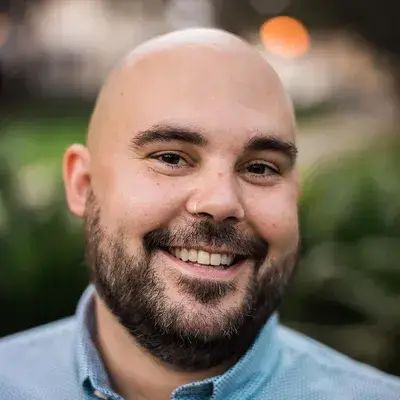
Matthew Baker, LCSW
California Licensed Clinical Social Worker #121926 specializing in ERP for OCD and anxiety and Prolonged Exposure for PTSD. View Matthew's profile.