
ERP therapy
Exposure and Response Prevention (ERP) treats OCD by pairing planned exposure with practice reducing compulsions. ERP can also be tailored to other anxiety disorders by targeting avoidance and safety behaviors.
When intrusive thoughts, checking, reassurance, or avoidance take over, treatment can help you change the pattern. Whatif Therapy specializes in ERP for OCD and other anxiety disorders in adults, teens, and children. Prolonged Exposure is available for adults with PTSD.
The goal is not to erase fear or prove that you are safe. The goal is to help you face fear, doubt, memories, body sensations, and daily triggers while you reduce the habits that keep the cycle alive.
Exposure and Response Prevention (ERP) treats OCD by pairing planned exposure with practice reducing compulsions. ERP can also be tailored to other anxiety disorders by targeting avoidance and safety behaviors.
Prolonged Exposure is available for adults with PTSD. It addresses trauma memories, reminders, and avoidance through a structured treatment plan developed with you.
Sessions focus on patterns, goals, practice, review, and next steps. You should know what you are working on and why it matters.
Treatment moves beyond insight. You practice new responses during sessions and between sessions, at a pace that is direct and workable.
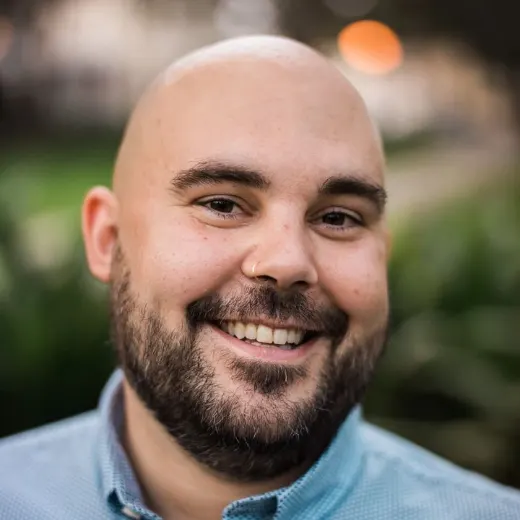
I founded Whatif Therapy and am a California Licensed Clinical Social Worker (California LCSW #121926). I specialize in ERP for OCD and other anxiety disorders in adults, teens, and children. I provide Prolonged Exposure for adults with PTSD.
My work is structured and hands on. We focus on reducing unhelpful responses, facing hard thoughts and memories, and helping you move toward the life you want.
Whatif Therapy provides 100% online therapy to clients who are physically located anywhere in California during sessions. This includes OCD and ERP therapy for clients in Los Angeles and communities throughout the state. Explore the California service areas. Have a question before scheduling?
Treatment begins with an assessment and a shared plan. ERP is used for OCD and other anxiety disorders. Adults seeking PTSD treatment can receive Prolonged Exposure when it fits their symptoms, goals, and readiness.
We look at triggers, intrusive thoughts, memories, feelings, body sensations, avoidance, compulsions, and reassurance seeking. This shows what keeps the problem going.
We identify treatment targets and build a practical plan. This may include an exposure hierarchy, response-prevention strategies, tracking distress levels, and practice between sessions.
You face what you have been avoiding and change what you do next. Over time, the urge to escape, check, fix, or seek certainty can weaken.
Treatment is tailored to the symptoms that keep you stuck. The work is practical, direct, and based on what you want to be able to do again.
Treatment is not about eliminating anxiety, uncertainty, intrusive thoughts, difficult emotions, or uncomfortable physical sensations. The goal is to help those experiences take up less space in your life so you can spend more time doing what matters.
Whatif Therapy offers private pay and is in network with Aetna for eligible plans. Review current rates and benefit-verification information before scheduling an intake.
Free consultation: 15 minutes
Initial intake: 60-minute session
Individual therapy: 53-minute session
Maintenance session: 30-minute follow-up for established clients when clinically appropriate
Treatment is available online for clients located in California.
Accepting clients for online therapy in California.
Start with a free 15-minute consultation. We will look at fit, goals, and whether this type of treatment makes sense for you.
Schedule a free 15-minute consultationYes. Whatif Therapy provides secure telehealth to clients who are physically in California during appointments. The practice is based in Lakewood and serves Los Angeles and other California communities online. Treatment planning considers your symptoms, goals, privacy, and whether telehealth is appropriate. Learn about OCD therapy serving Los Angeles or explore California telehealth service areas.
Exposure and Response Prevention (ERP) pairs planned exposure to obsession triggers with practice reducing compulsions. Compulsions can include checking, washing, asking for reassurance, silently reviewing a memory, or trying to make a thought feel settled. Treatment is collaborative and connects practice to everyday goals. Read the OCD treatment overview and ERP therapy guide for more detail.
Prolonged Exposure (PE) is a trauma-focused treatment that works with trauma memories and safe situations avoided because they are reminders. ERP addresses OCD obsessions and the compulsions performed in response. These approaches share exposure principles but have different treatment targets. Whatif Therapy offers PTSD treatment to adults only. Read about adult PTSD therapy and how Prolonged Exposure works.
Matthew Baker, LCSW works with adults, teens, and children with OCD and anxiety, including parents seeking therapy for their child. For younger clients, the consultation considers developmental needs, privacy, participation in online sessions, and available family support. Parent involvement is planned individually. PTSD treatment is offered to adults only. Learn about ERP for children and teens.
Intake sessions are 60 minutes, standard therapy sessions are 53 minutes, and maintenance sessions are 30 minutes. The separate initial consultation is free and lasts 15 minutes. An intake is used to assess symptoms, history, goals, and treatment fit; later appointments follow the agreed treatment plan. Maintenance appointments provide focused follow-up for established clients when clinically appropriate. See current session fees and insurance information.
Whatif Therapy is in network with Aetna for eligible plans and offers private pay. Your specific plan determines network eligibility, telehealth benefits, deductible, copay or coinsurance, and final member responsibility. Benefit verification provides an estimate, not a payment guarantee. A superbill may support a request for out-of-network reimbursement, which is not guaranteed. Review OCD treatment with eligible Aetna plans and fees and insurance.
The OCD self-screener can help you organize concerns such as intrusive thoughts, checking, reassurance seeking, avoidance, and time spent on rituals. It does not establish a diagnosis or replace a clinical assessment. You can bring examples of how symptoms affect your day, even if you do not know whether OCD is the right label. Completing the tool is optional.
Use the consultation button to request a time to speak with Matthew Baker, LCSW. The conversation covers your concerns, treatment fit, current availability, fees, and next steps. You do not need to prepare a complete history or share detailed private information in the initial request. If you decide to begin and the practice is a fit, the next step is a 60-minute intake. You can also review the contact and scheduling information.