
OCD Treatment, ERP Therapy, Choosing a Therapist
Online ERP Company vs. Private Practice: Can You Choose Your Therapist?

When you look for online ERP therapy, you may compare companies. Ultimately, your experience of ERP will depend heavily on the individual therapist providing your care.
That person will assess your symptoms, plan exposures, and help you face hard moments. Their training, style, and judgment can shape your care.
Some large online ERP companies offer a wide network of clinicians. This can make treatment easier to find. Large organizations may use matching systems that consider factors such as clinician availability, state licensure, insurance participation, scheduling, age, clinical needs, and client preferences. The amount of choice you have may vary by provider.
In a small private practice, you often know who your therapist will be before you begin. You can learn about that person and speak with them before you choose care.
Neither model is right for every person. The goal is to know what you are choosing.
Why does choosing your OCD therapist matter?
Exposure and Response Prevention, or ERP, is a form of therapy used to treat OCD. It helps people face fears while they reduce the rituals that keep the OCD cycle going.
ERP can be hard and personal work. You may share thoughts you have never said out loud. You may face places, objects, or feelings that seem unsafe. You may also practice doing less checking, avoiding, reviewing, or asking for reassurance.
This work requires trust. Your therapist should understand OCD without judging you. They should know how to find clear and hidden compulsions. They should also know how to make ERP challenging without making it harsh.
Your therapist may affect:
- How your symptoms are assessed
- Whether mental compulsions are noticed
- How exposures are planned
- How fast treatment moves
- How family members take part
- How progress is reviewed
- How setbacks are handled
- Whether you feel heard and respected
A well-known company may offer useful tools. But your care still happens between you and one clinician.
How do large online ERP companies match clients?
Large online therapy groups may have many therapists in several states. Their size can help people find an open appointment.
A match may depend on:
- The state where you live
- Which therapists have openings
- Your preferred session times
- Your insurance plan
- Your age and main concerns
- Which clinicians can take new clients
These factors are not always bad. A large network may help you start sooner. It may also give you more options when insurance is your main concern.
Still, choosing a company is not always the same as choosing a therapist. You may know the brand before you know the clinician. Depending on the organization, clients may have different levels of control over which available therapist they see.
Ask how much choice you will have before you sign up.
What is different about a small ERP private practice?
In a small private practice, the therapist is often clear from the start.
You can review the therapist's background before you make contact. You may read their articles, learn how they use ERP, and speak with them during a consultation.
This lets you choose the person, not only the service.
A small practice may offer:
- A consultation with the therapist who would treat you
- A clear view of the therapist's training and style
- The same clinician from assessment through treatment
- Direct contact with the person responsible for your care
- A plan shaped by one clinician who knows your case
- Fewer steps between you and your therapist
A small practice also has limits. It may have fewer session times or insurance plans. If the therapist is not a good fit, the practice may not have another clinician available.
The smaller model offers a different kind of choice. You can decide if one known therapist is right for you before care begins.
Online ERP company or private practice: what is the difference?
| Large online ERP company | Small private practice |
|---|---|
| You may begin by choosing a company. | You begin by choosing a named therapist. |
| Matching may depend on the network and open times. | You know who will provide care before you start. |
| An intake team may handle your first call. | You may speak with the treating therapist first. |
| A larger network may offer more insurance options. | The practice may offer fewer insurance options. |
| Changing therapists within the company may be easier. | Care may offer more direct contact and continuity. |
| The company may offer an app or other tools. | The focus may be the direct therapy relationship. |
These are common differences, not fixed rules. Ask each provider how its service works.
When might a large online ERP company fit?
A larger company may fit if you value:
- Access to a broad therapist network
- A faster first appointment
- More session times
- Use of a certain insurance plan
- Digital tools or an online app
- The option to change therapists in one system
These benefits can matter. A large service may help when local OCD care is hard to find.
Company size does not tell you if one therapist is right for you. Clinicians in the same group may have different skills, styles, and levels of experience. Ask about the person who will treat you.
When might a small ERP practice fit?
A small practice may fit if you want:
- To select a specific OCD therapist
- To speak with that person before you start
- To know who will complete your assessment
- To work with the same therapist during care
- A direct link to the practice owner
- A clear view of the therapist's style
This model may help when therapist fit is one of your top concerns. It may also appeal to people who tried therapy before and now want focused OCD care.
What should you ask an online ERP provider?
Ask clear questions before you start. These questions can help with both a large company and a small practice.
Questions about your therapist
- Can I choose my therapist?
- Can I review their profile before I begin?
- Can I speak with them before the first full session?
- What ERP training have they received?
- How much of their work involves OCD?
- Will I see the same therapist throughout care?
Questions about ERP treatment
- Will we practice exposures during sessions?
- How will you find mental compulsions?
- How will we set treatment goals?
- Will I practice skills between sessions?
- How will we review progress?
- What happens if ERP is not right for me?
Questions about the company or practice
- How was this therapist selected for me?
- Can I ask for another therapist before I start?
- What happens if my therapist leaves?
- Who can view my health information?
- What are the fees and cancellation rules?
- Are superbills available?
A provider should answer these questions in plain language.
Does private-pay ERP offer more choice?
Private pay may let you look beyond your insurance network. This can give you more choice. It does not mean every private-pay therapist will be a good fit.
Look beyond the fee. Ask who will provide care, how often you may meet, and how progress will be checked. Review the therapist's training and main areas of work.
Some private-pay therapists provide superbills. You can send a superbill to your health plan to ask for possible out-of-network payment. Reimbursement is not guaranteed, so check with your plan before starting treatment.
The value of private pay is not just that you pay outside insurance. It may give you more control over who you choose. See Whatif Therapy's fees and insurance information.
How does therapist choice work at Whatif Therapy?
At Whatif Therapy, you know who your therapist will be before you start.
Matthew Baker, LCSW, owns the practice and provides the therapy. He provides online ERP for OCD, exposure-based CBT for anxiety disorders, and Prolonged Exposure (PE) for adults with PTSD to clients located in California.
Your free consultation is a chance to speak with Matthew about your concerns and goals. You can ask how he works before you choose a full therapy session.
If you begin care, you work with the same therapist you reviewed and met. There is no separate therapist-matching process: the clinician you meet during the consultation is the clinician who provides your treatment.
This does not mean Whatif Therapy will be the right fit for every person. The consultation helps you and Matthew decide if the service, approach, and therapist fit make sense.
Want to know who you would work with? Schedule a free 15-minute consultation with Matthew Baker, LCSW. You can ask about ERP, fees, current openings, and fit before you choose care.
A simple way to choose
Start with the things that matter most to you. Make a short list. It may include cost, time, trust, skill, and choice.
Then ask each place the same set of questions. Write down the answers. Notice if the answers are clear. Notice if you know who will care for you.
You do not need to pick the biggest brand. You do not need to pick the smallest office. You need a form of care that fits your needs.
Ask yourself:
- Do I know who my therapist will be?
- Can I speak with them first?
- Do they know how to treat OCD?
- Can they tell me how ERP will work?
- Do I feel safe enough to be open?
- Can I pay for the plan we discuss?
A first call can help. It is not a promise to start care. It is a chance to ask, listen, and choose.
Quick questions about choosing ERP care
Can I ask who my therapist will be?
Yes. Ask before you book. You can also ask to read the therapist's profile first.
Can I ask to meet the therapist first?
Yes. Some places offer a short call. Ask who will join the call and who will give you care.
Is a large group a bad choice?
No. A large group may be a good fit. It may have more open times, plans, and staff. The best fit will depend on your needs.
Is a small practice always a good fit?
No. One therapist may not have the right skill, time, or style for you. Learn as much as you can. Then choose the care that seems to fit.
What is the bottom line?
Large online ERP companies can offer access, insurance options, and broad networks. A small private practice can offer direct contact, continuity, and the chance to review your therapist before you start.
The key question is not only, “Does this company offer ERP?” It is also, “Who will provide my ERP, and do I get to choose that person?”
OCD treatment may ask you to face fear and doubt. You should have enough facts to make a thoughtful choice about the therapist who will guide that work.
This article gives general education. Features and matching systems vary by provider. Ask each company or practice about its current process.
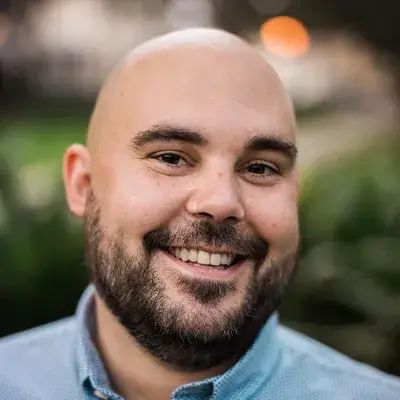
Matthew Baker, LCSW
Matthew Baker, LCSW — California Licensed Clinical Social Worker #121926. He specializes in ERP for OCD and anxiety and Prolonged Exposure for PTSD. View Matthew's profile.