
Online OCD & ERP Therapy in Northern California
Specialized telehealth care for adults in Sacramento and communities across Northern California.
You can choose an ERP therapist based on clinical fit without traveling to Southern California. Sessions are online, and you must be physically located in California during care.
Specialized ERP beyond the largest metro areas
Finding an OCD therapist can be difficult when local options are limited or far away. Online care expands the search for people in the Sacramento region, the North State, and nearby communities.
Adults are the practice's primary population. Care may also be available for children and teens when outpatient ERP and caregiver support are a good fit.
This page may fit if:
- You want an ERP therapist who treats OCD often.
- You live in Northern California outside the core Bay Area.
- Distance or travel limits access to specialty care.
- You have a private place and reliable internet for sessions.
How ERP therapy in Northern California works
ERP uses a clear plan for fear and doubt. You take a small step toward what matters. You also cut back on the check, ritual, or search that makes the fear return.
The goal is not to remove each hard thought. It is to keep fear from making your next choice.
Skills you may build
- Spot a trigger
- Name the old response
- Plan a small task
- Let doubt stay
- Use the skill in daily life
Online OCD therapy across Northern California
Whatif Therapy serves adults in Sacramento, Davis, Woodland, Roseville, Rocklin, Folsom, and Auburn through secure telehealth. The practice is based in Lakewood and has no Sacramento or Northern California office.
Care is also available to people in Chico, Redding, Yuba City, Grass Valley, Napa, Santa Rosa, Petaluma, Vacaville, Fairfield, and other California communities. The page does not target San Francisco, San Jose, or Silicon Valley; those areas have a separate regional guide.
Because treatment is online, practice can address the real setting where a ritual or avoidance pattern occurs.
Why online ERP may help
- Reach specialty care without a long drive
- Practice skills in daily settings
- Include caregivers when clinically useful
- Continue care after an in-state move
For San Francisco, the Bay Area, and Silicon Valley, visit the dedicated regional ERP page.
ERP practice where OCD shows up
Online sessions can connect treatment to home, work, school, driving, and other daily routines without asking you to recreate every trigger in an office.
Reduce checking before leaving home
Plan how to leave after a reasonable check while allowing some uncertainty to remain.
Approach driving and travel fears
Build gradual practice around routes or situations that avoidance has made harder.
Respond differently to reassurance
Create a steady response that supports the treatment plan without resolving the same doubt again.
Stop work at a planned point
Send or submit work without another full review when perfectionism and OCD keep moving the finish line.
Conditions treated with ERP and exposure-based therapy in Northern California
ERP therapy in Northern California is available for adults with many OCD presentations and anxiety conditions. Family involvement may be useful for younger clients, but it is not the page's only clinical focus.
OCD and intrusive thoughts
ERP can address contamination, harm, relationship, sexual-orientation, scrupulosity, symmetry, existential, and other OCD themes. Treatment focuses on compulsions such as checking, reassurance, avoidance, reviewing, confessing, and mental rituals.
Anxiety and fear
Exposure-based care may help with panic disorder, agoraphobia, specific phobias, illness anxiety, and social anxiety. The plan uses gradual, collaborative practice rather than forcing a person into the hardest situation.
Worry, doubt, and perfectionism
Treatment may also address generalized anxiety and clinical perfectionism when repeated preparation, checking, reassurance, or avoidance keeps the cycle active. An assessment helps clarify which approach fits.
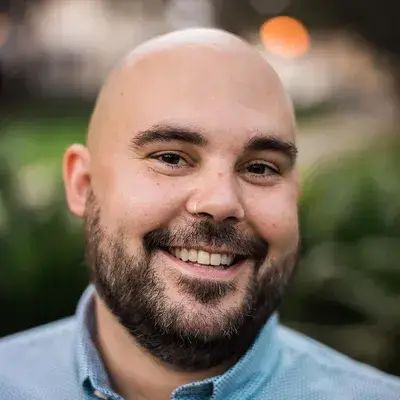
Matthew Baker, MSW, LCSW
Matthew is licensed in California and provides care by video. He works with children, teens, and adults when ERP is a good fit.
- California license #121926
- Master of Social Work
- ERP training through NOCD
- Listed with the IOCDF
- Member of the ADAA
Know the plan before you begin
Whatif Therapy works with adults, teens, and children. Read the fees page first. Use the free call to ask if the care and times fit.
Ask about current appointment availability during your consultation.
Ready to take the next step?
Start with a free 15-minute consultation. We will look at fit, goals, and whether this type of treatment makes sense for you.
Schedule a free 15-minute consultationQuestions about online ERP in Northern California
Do parents attend sessions?
Parent or caregiver participation may be included when it supports the child's treatment plan. The amount of involvement depends on age, symptoms, and clinical need.
How does online ERP work with a child or teenager?
Treatment uses developmentally appropriate goals and practice. Online sessions can also help identify reassurance and accommodation in the home environment.
Can treatment address school-related rituals?
Yes, when outpatient ERP is an appropriate fit. Treatment may address repeated work, lateness, reassurance, avoidance, or tasks that must feel exactly right.
What should caregivers do about repeated reassurance?
Caregivers can learn a consistent response that validates distress without repeatedly answering the OCD-driven question. The specific response should be planned in treatment.
How is outpatient fit evaluated?
The consultation and assessment consider symptoms, safety, family support, readiness for practice, and whether a different provider or level of care would better meet the client's needs.